
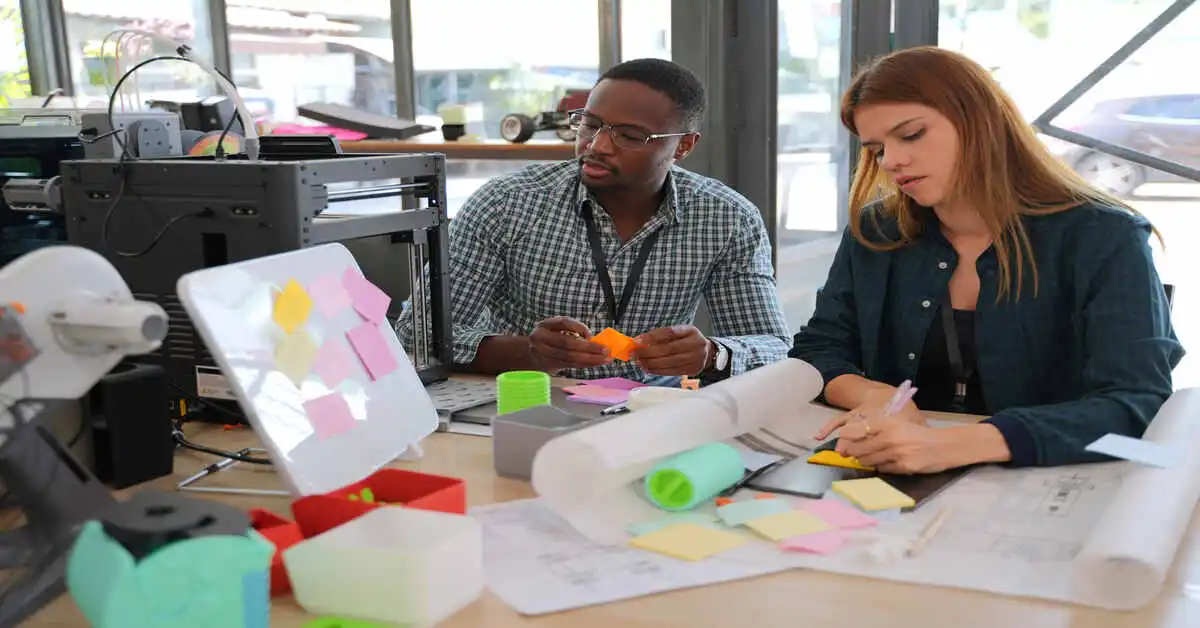
In the ever-evolving landscape of design, innovation plays a crucial role in shaping the future of creative industries. Emerging designers, often referred to as “rising stars,” are redefining traditional boundaries and introducing fresh perspectives that challenge the status quo. This article highlights some of these rising stars, exploring their unique contributions to design innovation and creativity.
The Importance of Innovation in Design
Defining Design Innovation
Design innovation refers to the process of developing new ideas, methodologies, or products that improve existing practices or create entirely new paradigms. It encompasses various design fields, including graphic design, product design, fashion design, and architecture. Innovation in design not only enhances aesthetics but also improves functionality, user experience, and sustainability.
The Role of Emerging Designers
Emerging designers are often at the forefront of design innovation. They bring fresh ideas, diverse perspectives, and new techniques that push the boundaries of traditional design practices. By incorporating technology, sustainability, and cultural influences, these rising stars are instrumental in shaping the future of design.
Spotlight on Rising Stars in Design Innovation
Maya Lin
Field: Architecture and Environmental Art
Notable Work: Vietnam Veterans Memorial, Wave Field
Maya Lin is renowned for her innovative approach to architecture and environmental art. She combines natural landscapes with architectural elements to create spaces that resonate with their surroundings. Lin’s work often reflects themes of memory, commemoration, and the relationship between nature and human experience. Her ability to integrate art and environment has set a new standard for design that prioritizes sustainability and emotional depth.
Neri Oxman
Field: Design and Technology
Notable Work: The Mediated Matter Group at MIT
Neri Oxman is a pioneer in the field of design and technology, exploring the intersection of art, science, and engineering. Her work with the Mediated Matter Group at MIT focuses on creating innovative materials and fabrication techniques inspired by nature. Oxman’s philosophy, known as “material ecology,” emphasizes the importance of designing with natural processes in mind, promoting sustainability through advanced technologies such as 3D printing and bioengineering.
Jony Ive
Field: Industrial Design
Notable Work: Apple Products (iPhone, MacBook)
Jony Ive, the former Chief Design Officer at Apple, is celebrated for his minimalist and user-centric design philosophy. His work has transformed the tech industry, setting new standards for product design and aesthetics. Ive’s emphasis on simplicity, elegance, and functionality has influenced countless designers and has played a pivotal role in Apple’s brand identity. His recent ventures, including the design firm LoveFrom, continue to push the boundaries of industrial design.
Kelly Wearstler
Field: Interior Design and Architecture
Notable Work: Viceroy Hotel Group, Kelly Wearstler Design
Kelly Wearstler is a leading figure in the world of interior design, known for her bold use of color, texture, and eclectic style. Her work transcends traditional interior design, merging art and architecture to create immersive environments. Wearstler’s innovative approach has redefined luxury design, emphasizing individuality and artistic expression. Through her design firm, she has transformed high-profile spaces and continues to inspire a new generation of designers.
Kengo Kuma
Field: Architecture
Notable Work: Asakusa Culture and Tourism Center, Suntory Museum of Art
Kengo Kuma is a Japanese architect celebrated for his innovative use of materials and his commitment to sustainability. His designs often incorporate traditional Japanese elements while embracing modern techniques, resulting in harmonious structures that blend with their surroundings. Kuma’s work reflects a deep respect for nature and cultural heritage, making him a prominent figure in contemporary architecture. His ongoing projects continue to push the boundaries of architectural innovation.
The Impact of Rising Stars on Design Trends
Shaping Aesthetic Standards
Rising stars in design innovation are redefining aesthetic standards across various fields. Their unique perspectives challenge conventional norms, leading to the emergence of new styles and trends. For example, the emphasis on minimalism and functionality in product design can be traced back to the influence of designers like Jony Ive.
Promoting Sustainability
Sustainability is a central theme in many rising stars’ work. Designers like Neri Oxman and Maya Lin are at the forefront of integrating sustainable practices into their designs. Their commitment to eco-friendly materials and processes encourages the industry to prioritize environmental responsibility, shaping a more sustainable future for design.
Fostering Technological Integration
The integration of technology into design is another significant trend driven by emerging designers. Innovations in materials, fabrication techniques, and digital tools are reshaping how designers approach their work. Rising stars like Oxman are leading the way in exploring how technology can enhance creativity and functionality in design.
Conclusion
The landscape of design innovation is continuously evolving, fueled by the creativity and vision of rising stars. Designers like Maya Lin, Neri Oxman, Jony Ive, Kelly Wearstler, and Kengo Kuma exemplify how innovative thinking can redefine the boundaries of design. Their contributions not only shape aesthetic standards but also promote sustainability and technological integration, paving the way for a more innovative and responsible design future.
As we spotlight these rising stars, it is essential to recognize the broader impact of their work on the design community and society as a whole. By embracing new ideas and challenging conventions, these designers inspire future generations to push the limits of creativity and innovation in design.