
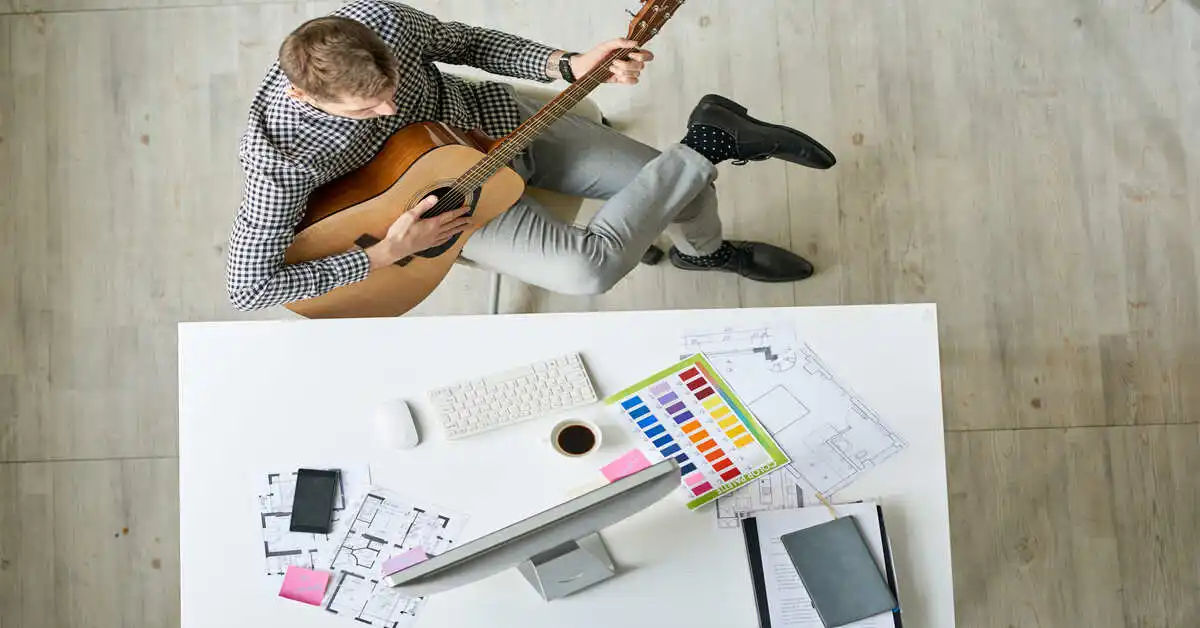
The combination of music and design is one of the most intriguing topics that indicate how the visual world and tendencies could be influenced by auditory experiences. With the changes in the culture, the relationship between the two mediums is also changing, because in most cases, music serves as a driver of innovation in design. This discussion examines the role of music in design trends with the main examples and themes and the overall effect on creative industries.
1. The Connection Between Music and Design
1.1 Defining the Relationship
Both the music and design are a way of expression of art which conveys emotions, ideas and stories of the culture. Whereas music involves evoking feelings by the sound, design employs images to generate a feeling. The synergy of the two may improve storytelling, trigger nostalgia and create identity.
1.2 Historical Context
In the past, music movements have affected the designs. As an example, the experimental sound of rock music found its reflection in the psychedelic art of the 1960s and 70s, which led to the appearance of bright colors, abstract forms, and surrealistic visions. Likewise, punk music also had an impact on the graphics design which was full of bold typography and DIY style.
2. Key Themes in Music Influence on Design
2.1 Genre-Specific Aesthetics
Different music genres often inspire distinct visual styles:
- Rock and Punk: These two genres are characterized by a rebellious spirit, and they are usually accompanied by an aggressive color scheme, angular lines, and rough texture on album covers and other promotional materials. Imagine famous punk band posters which make use of collage and contrast.
- Hip-Hop: This genre has impacted on the designing of street wear and this has seen the emergence of urban style in terms of large graphics, graffiti, and fusion of high and low culture. Hip-hop has a visual identity that is usually associated with authenticity and community.
- Electronic Music: As a result of electronic music, there has been a futuristic design style that has brought in the use of neon colors, geometric design and digital art. This fashion finds use in event promotions and branding of festivals.
2.2 Emotional Resonance
Music can elicit feelings to a great extent, which can have a direct effect on design. The visuals created out of a song or genre tend to be based on the emotions that the song or genre evokes in designers and thus are more likely to connect with the audience. For example:
- Romantic Ballads: The flowing shapes of the soft designs have a tendency to be palette color pastels, tender typography and flowing organic forms so as to instill a sense of love and closeness in the accompanying branding and album covers.
- Energetic Dance Music: This genre is full of energy, characterized by active images and bright colors, lively music and bold text, which portrays the dynamism and motion of this genre.
2.3 Cultural and Social Movements
Music has been known to take centre stage in cultural and social movement, and thus has shaped design tendencies that indicate social shifts. For example:
- Feminist Movements: This is because the music industry has started featuring female artists and this has seen a flood of designs that praise femininity and empowerment. Album covers and promotional materials are usually characterized by powerful visual narratives that break stereotypes.
- Environmental Awareness: Musical artists who promote environmental agendas have influenced environmental design fashions that saw the application of environmentally friendly materials and nature-oriented design in concert posters and merchandise.
3. Case Studies: Music Influencing Design Trends
3.1 Album Art
The album art can be considered the perfect example of the impact of music on design. The album cover of the Pink Floyd album, The Dark Side of the Moon or The Beatles one, Sgt. Pepper Lonely Hearts Club Band, illustrates how album covers may transform into cultural artifacts that mirror the music themes and period.
- Pink Floyd’s Album Cover: Designed by Storm Thorgerson, the prism design not only reflects the band’s experimental sound but also became an enduring symbol of the 1970s music scene, influencing graphic design for years to come.
3.2 Fashion and Merchandise
Fashion trends have been strongly influenced by the music industry with artists playing the role of fashion setters. The design of merchandise to bands often takes part of the genre of the music and this generates a visual identity with which the fans can relate.
Merchandising in Hip-Hop: Streetwear brands have used the aesthetics of hip-hop to have collaborations with artists which mix music and fashion. Bold logos and images that appeal to the culture are commonly printed in graphic tees and hats and on accessories.
3.3 Event Design
Good examples of the intersection between design and music include music festivals and concerts. The visual identity and branding of such events is usually based on the genre of music being featured.
- Coachella Festival Branding: Coachella is characterized by graphic marketing campaigns, an attention to bright colors and fashionable typography that fit into the eclectic list of the festival, drawing a wide range of viewers.
4. The Broader Impact of Music on Design Trends
4.1 Cross-Pollination of Ideas
The interaction between music and design promotes a cross-pollination of ideas, as the designers and musicians work together in order to stretch the boundaries of creativity. The partnership can result in new projects that can combine both audio and visual experiences.
4.2 Influence on Digital Design
The role of music in design is also applicable in the digital era in the field of user experience (UX) and interface design. Music applications frequently use the visuals that attract to the music genre and increase user experience with unified branding.
4.3 Social Media and Marketing
The impact of music on design trends has been intensified by the social media platforms. Musical artists make heavy use of pictorial and visual material to advertise their music so it produces an audio/visual branding that their listeners identify with. This tendency has also given way to distinct visual styles which are the expressions of musical identities.
5. Conclusion
Music and design trends in the way of influence is a complex and dynamic connection that is going to be developing. Since the music can influence cultural scripts and emotional terrain, it also motivates and educates the design selections in different media. Through this interaction, designers and creators can embrace the strength of music to design powerful stories in the form of images that can appeal to audiences.
The music and design intersection keep expanding, and the possibilities of innovation and creativity are limitless. The acceptance of the role of music in design does not only enhance the creative process but also gives the artistes and audiences a closer relationship.
FAQs
How does music influence design?
The music has an impact on design in terms of aesthetics, emotional engagement and cultural storytelling, and therefore gives rise to specific visual fashions of particular genres.
What are some examples of music influencing design trends?
Some examples are iconic album art, fashion partnerships, and event branding that are based on the theme and emotions of particular music genres.
How do designers incorporate music into their work?
The emotional appeal of music is a frequent source of inspiration for designers, and they employ general aesthetics and cultural allusions to improve the appearance of the images.
What role does music play in branding?
Music has been essential in branding, as it forms emotional bond, brand identity, and affects the audience by visualizing.
How can music and design collaboration foster innovation?
Musicians and designers could collaborate to create new projects based on audio and visual experiences that stretch the creative limits and improve the narrative.