
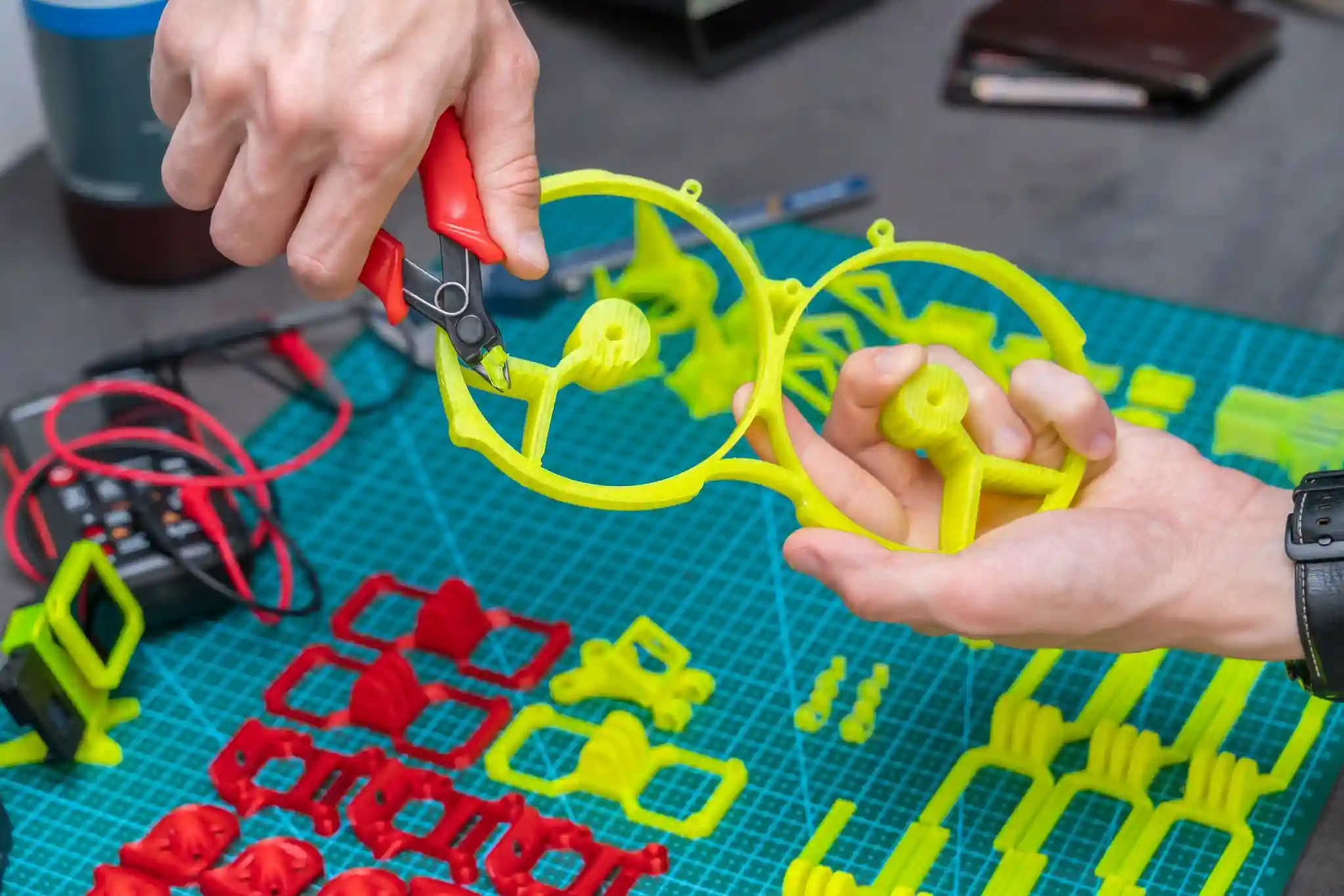
Generative design is a revolutionary approach that combines the power of algorithms and artificial intelligence to create innovative design solutions. Unlike traditional design methods, where a designer manually crafts an idea, generative design allows software to explore numerous possibilities based on predefined parameters. This process not only accelerates the design phase but also opens the door to unique solutions that might not have been conceived otherwise. As technology advances, the importance of generative design continues to grow, pushing boundaries in various fields from architecture to product development.
How Algorithms and AI Work Together
At the heart of generative design is the collaboration between algorithms and artificial intelligence. Algorithms analyze vast amounts of data to identify patterns and relationships that inform design decisions. AI enhances this process by learning from previous designs and outcomes, allowing it to suggest improvements and alternatives. As a result, designers can focus on creative aspects and strategic thinking while the software handles the technical complexities. This partnership not only makes the design process more efficient but also encourages a culture of experimentation and innovation.
The Evolution of Design Through Technology
Historical Context of Design Methods
Design has always evolved alongside technology, from the earliest hand-drawn sketches to today’s sophisticated software tools. In the past, designers relied heavily on their intuition and experience to create products. However, this often meant that solutions were limited by individual creativity. With the advent of computer-aided design (CAD) and now generative design, the landscape has changed dramatically. These technologies provide designers with powerful tools that enhance their capabilities and allow them to explore a wider range of solutions.
The Role of AI in Modern Design Practices
Artificial intelligence plays a crucial role in modern design practices, pushing the envelope of what is possible. By incorporating machine learning algorithms, designers can analyze user behavior, market trends, and material properties to create designs that are not only aesthetically pleasing but also functional and efficient. This shift is particularly important in a competitive market where user satisfaction and adaptability are paramount. As designers embrace AI, they can create solutions that resonate with users, ultimately leading to better products and experiences.
Benefits of Generative Design in Various Industries
Architecture and Construction
One of the most significant applications of generative design is in architecture and construction. Architects can use generative design software to create building layouts that optimize space, light, and energy efficiency. By inputting various parameters, such as environmental factors and material specifications, architects can generate designs that consider sustainability and cost-effectiveness. This approach not only enhances the aesthetic appeal of structures but also promotes the development of buildings that are more in harmony with their surroundings.
Product Design and Manufacturing
In product design, generative design is transforming how companies develop everything from consumer electronics to automotive components. By utilizing generative design, manufacturers can create complex shapes and structures that are lightweight yet strong. This capability is particularly valuable in industries where material costs and performance are critical. Furthermore, generative design can reduce waste by optimizing material usage in the production process. As a result, companies can achieve higher efficiency and lower production costs while delivering innovative products to the market.
Fashion and Textile Design
Generative design is also making waves in the fashion and textile industry. Designers can create unique patterns and textures using algorithms that analyze current trends and consumer preferences. This innovative approach allows for a more personalized fashion experience, as designs can be tailored to specific customer tastes. Additionally, generative design can help reduce waste by optimizing the cutting patterns of fabrics, leading to more sustainable practices in fashion production. As the industry shifts toward eco-friendly practices, generative design offers a solution that aligns with sustainability goals.
Generative Design and Workplace Dynamics
Reducing Workplace Stress Through Intelligent Design
Generative design has the potential to positively impact workplace dynamics by reducing stress associated with the design process. Traditional design methods often involve lengthy iterations and revisions, leading to frustration and burnout among designers. With generative design, much of the repetitive and time-consuming work is automated. This allows designers to focus on critical thinking and creativity, ultimately leading to a more satisfying work experience. By minimizing stress, companies can foster a healthier work environment that encourages collaboration and innovation.
Addressing Performance Anxiety with Algorithm-Driven Solutions
Performance anxiety is a common challenge in high-pressure industries. Designers may feel overwhelmed by the expectations to produce groundbreaking work constantly. Generative design alleviates some of this pressure by providing designers with a wealth of options to explore. Instead of fearing failure, designers can experiment with various ideas without the risk of wasting time. This shift in mindset not only enhances creativity but also promotes a culture of learning and growth within teams.
Enhancing Productivity with Generative Design
Streamlining Design Processes
Generative design significantly streamlines design processes, making them more efficient and effective. By automating repetitive tasks, designers can dedicate more time to strategic decision-making and innovation. This shift allows teams to meet tight deadlines without sacrificing quality. Consequently, projects can progress more smoothly, and teams can deliver results faster. In an age where speed and efficiency are crucial, generative design provides a competitive edge.
Tips for Leveraging Generative Design in Your Work
To harness the full potential of generative design, consider the following tips. First, clearly define your project parameters and objectives. The more specific you are, the better the algorithm can generate relevant designs. Second, encourage collaboration among team members. Different perspectives can lead to richer ideas and solutions. Lastly, be open to experimentation. Generative design thrives on exploration, so don’t hesitate to try unconventional approaches. By adopting these strategies, you can maximize the benefits of generative design in your work.
Case Studies of Successful Generative Design Implementation
Innovative Projects Across Industries
Several companies have successfully implemented generative design, leading to remarkable outcomes. One notable example is Autodesk, a pioneer in generative design software. They partnered with a leading automotive manufacturer to create a lightweight bracket for a vehicle. By using generative design, the team was able to produce a part that was not only stronger but also 40% lighter than the original design. This innovation led to improved fuel efficiency and performance, showcasing the potential of generative design in the automotive industry.
Lessons Learned from Real-World Applications
These case studies highlight the importance of embracing new technologies like generative design. Companies that invest in this innovative approach often find that they can create superior products while reducing costs and waste. Furthermore, the collaboration between designers and algorithms fosters a culture of continuous improvement. As industries evolve, it is crucial for businesses to adapt and utilize tools that enhance their capabilities, ensuring they remain competitive in the market.
Future Trends in Generative Design
The Impact of Emerging Technologies
The future of generative design looks promising, with emerging technologies set to enhance its capabilities even further. For instance, advancements in machine learning and artificial intelligence will allow algorithms to learn from user feedback and market trends more effectively. This evolution will enable generative design to become even more personalized and user-centric, resulting in designs that resonate deeply with consumers.
Predictions for Workplace Environments
As generative design continues to gain traction, it will also shape workplace environments. Designers will increasingly collaborate with AI, creating a symbiotic relationship that enhances creativity. This shift may lead to a more dynamic work culture, where human creativity and machine efficiency coexist harmoniously. Companies that embrace this trend will likely experience greater innovation and productivity, setting the stage for a new era in design.
Conclusion
The Transformative Potential of Generative Design
In conclusion, generative design is more than just a trend; it represents a transformative shift in how we approach design processes. By harnessing the power of algorithms and AI, industries can create innovative solutions that enhance efficiency and creativity. From architecture to fashion, generative design is poised to make a lasting impact across various fields.
Final Thoughts on Integrating AI in Design Processes
As we look to the future, the integration of AI in design processes will only deepen. Companies that adapt to these changes and leverage generative design will find themselves at the forefront of innovation. The potential for creativity, reduced workplace stress, and increased productivity makes generative design an essential tool for modern designers. Embracing this approach will not only elevate design practices but also contribute to a more sustainable and efficient future.